ServiceNow’s Head of Global Innovation Brian Solis was included in The Wharton Blueprint for AI Agent Adoption, a new report from Wharton Human-AI Research and Science Says that explores one of the most important questions facing every leader right now: why, if AI agents are becoming so capable, aren’t more people ready to use them for real work?
The report argues that AI agent adoption is moving from a technology challenge to a psychological one. People may be willing to ask a chatbot a question, but letting an agent act on their behalf — access files, manage workflows, make recommendations, coordinate decisions, or execute tasks — requires a different level of belief. People need to know the agent is competent. They need to trust it. And they need to feel that they are still in control.
Wharton organizes the adoption challenge around three frictions: perceived competence, trust, and delegation of control. Said another way: Can it do the job? Can I trust it to act on my behalf? And am I comfortable handing over part of the work?
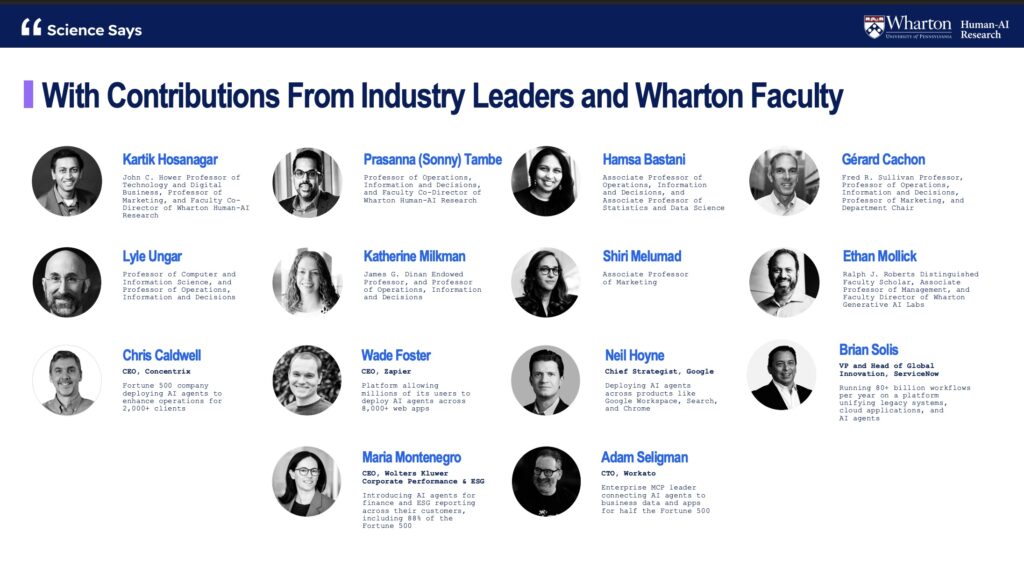
Brian is grateful and honored to contribute alongside an incredible group of thinkers and practitioners, including Ethan Mollick, Kartik Hosanagar, Katherine Milkman, Lyle Ungar, Prasanna “Sonny” Tambe, Hamsa Bastani, Shiri Melumad, Wade Foster of Zapier, Neil Hoyne of Google, Maria Montenegro of Wolters Kluwer, Adam Seligman of Workato, Chris Caldwell of Concentrix, and others.
“Giving up tasks is not the issue; employees do not want to lose their identity or give up agency. If anything, they seek empowerment.”
“AI agents are too often built in the image of yesterday’s workflows. If we build agents that expose their decision logic in business terms people use, we gain agentic empathy, trust built through auditable reasoning. This way, people can understand them better.”
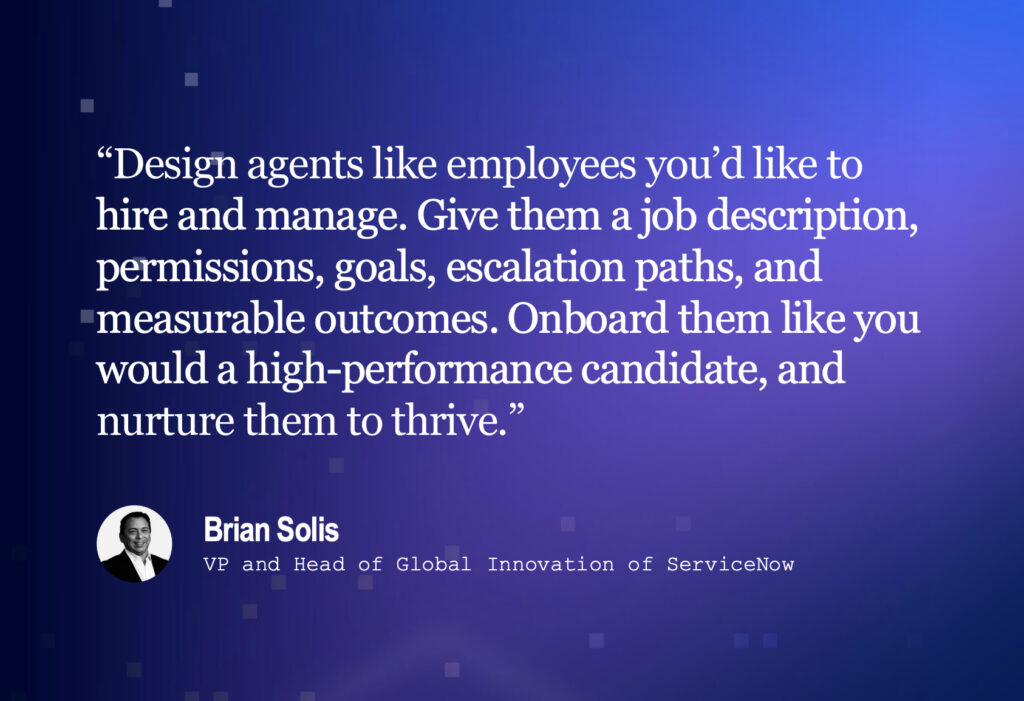
“Design agents like employees you’d like to hire and manage. Give them a job description, permissions, goals, escalation paths, and measurable outcomes. Onboard them like you would a high-performance candidate, and nurture them to thrive.”
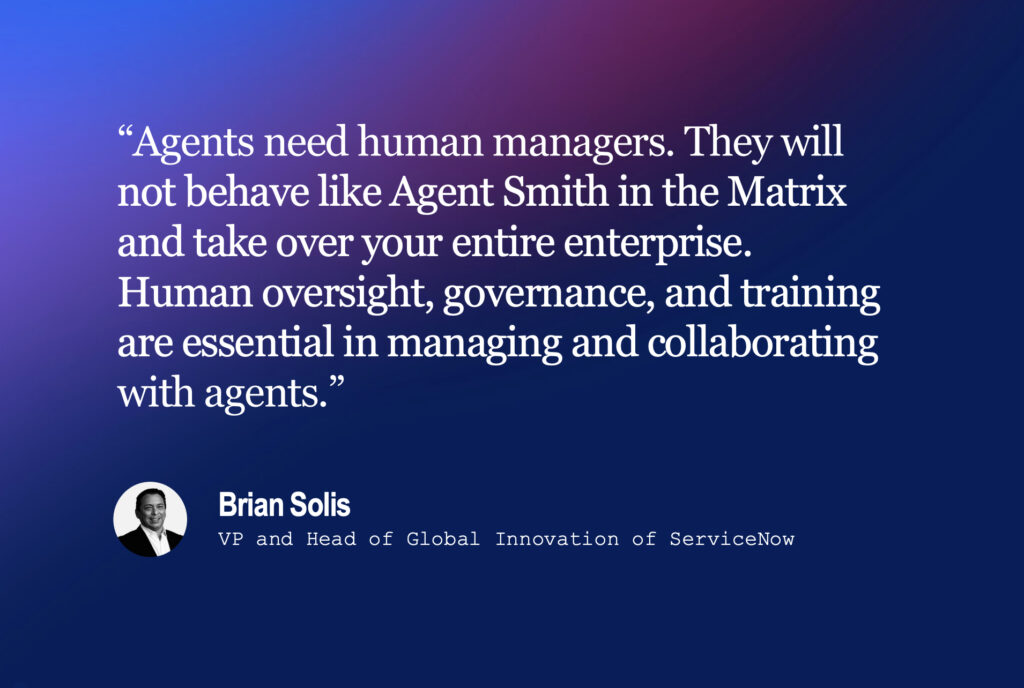
“Agents need human managers. They will not behave like Agent Smith in the Matrix and take over your entire enterprise. Human oversight, governance, and training are essential in managing and collaborating with agents.”

Leave a Reply