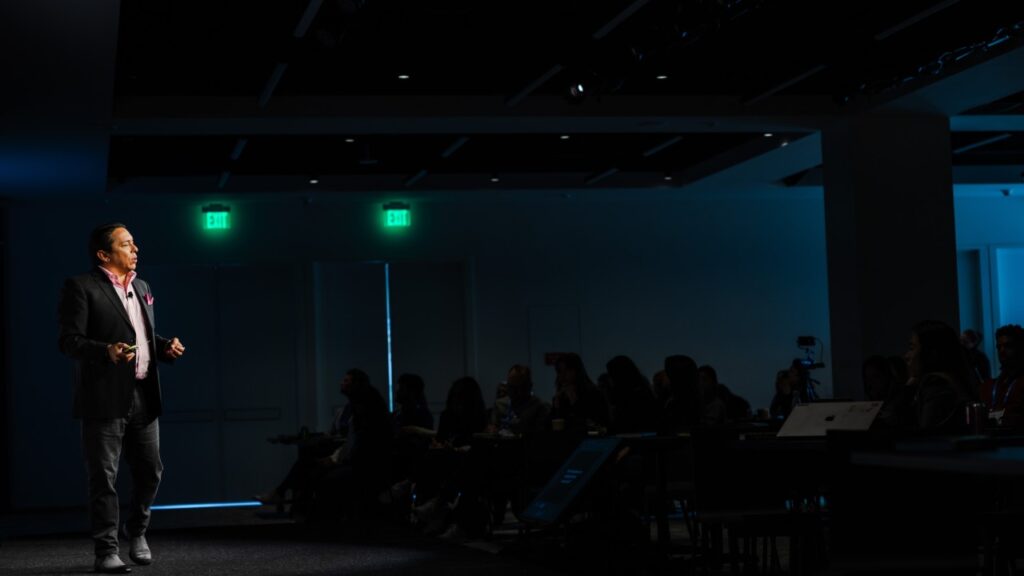
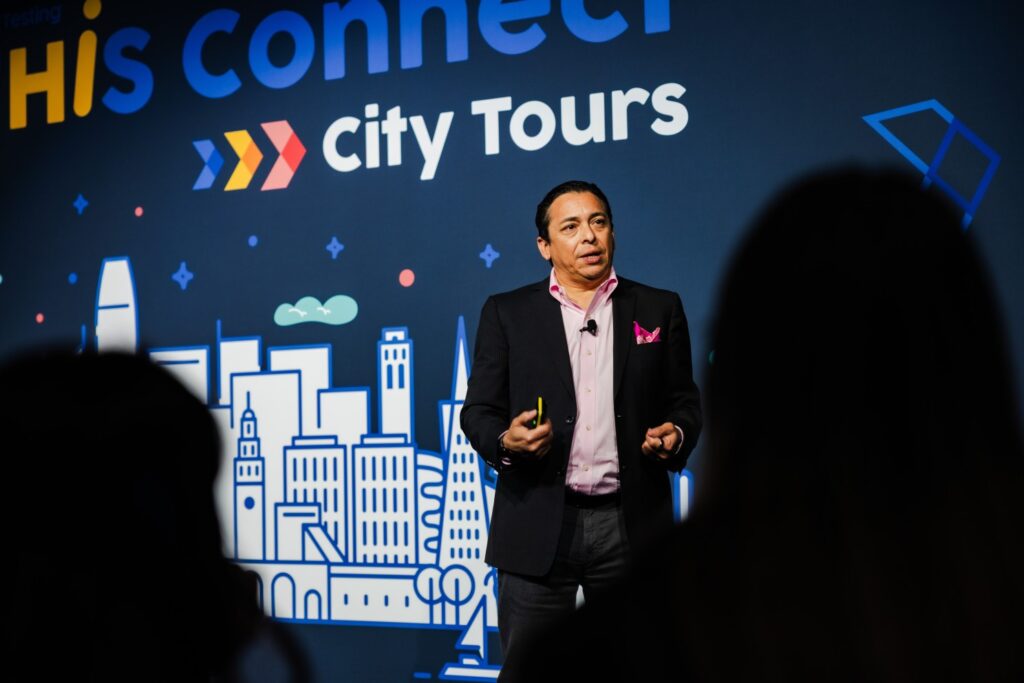
I had the privilege of keynoting UserTesting conferences in San Francisco and New York. It was my third and fourth UserTesting event respectively, which I guess makes this a situationship now. 😍
The theme was experience innovation in an era of AI. The real message wasn’t really about AI. It was about people. It was about how human beings are changing faster than the experiences designed for them. It was about why, in this new era of increasingly ‘intelligent’ machines, the most important competitive advantage may be the most human one of all…empathy.
What follows is a summary of my presentation. The team over at UserTesting was also kind enough to publish the San Francisco session online and is free to view (I hope you love it!)
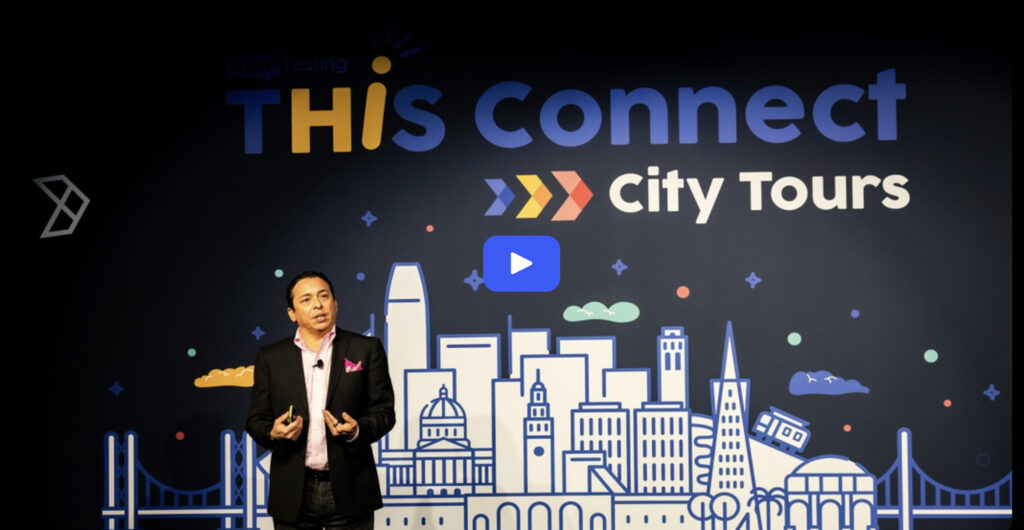
We are living in a moment when every company is trying to figure out how to use AI to move faster, produce more, spend less, automate more, and impress Wall Street along the way. And yes, AI will absolutely change how we work. But what I see in my work, is most organizations are limiting AI’s potential to do what they did yesterday, only faster, cheaper, and at scale tomorrow.
That’s not transformation though. That is operational déjà vu (I had to look up where the accents go) with more intelligent software.
The innovators do and will use AI differently. Yes. They use it to automate the parts of yesterday that desvere a place in the evolved enterprise. They also use it to do what they could not do yesterday. They use it to discover what they did not know was possible. They use it to augment, not automate or replace, human creativity, intuition, and capacity.
AI = Augmented Intelligence
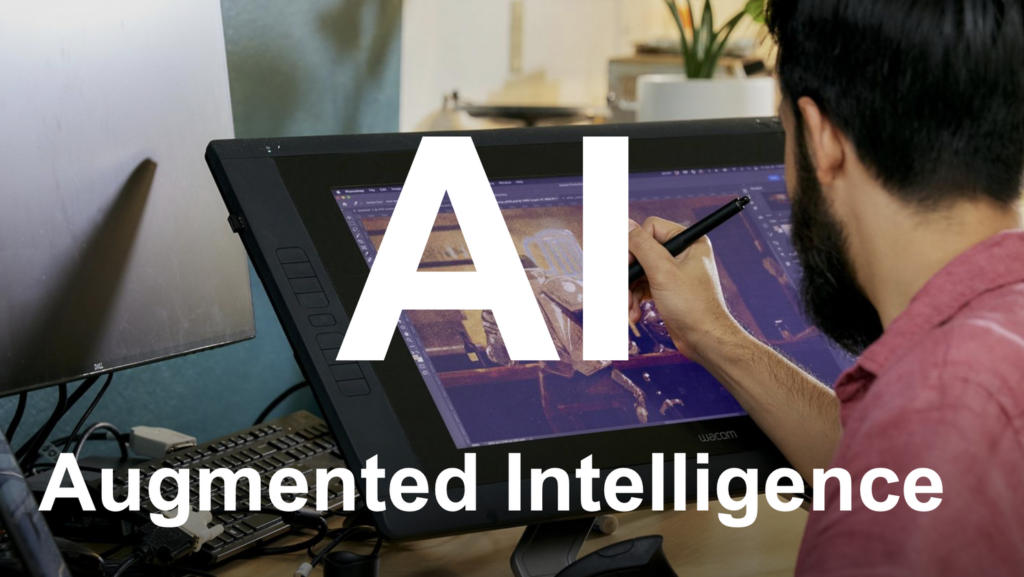
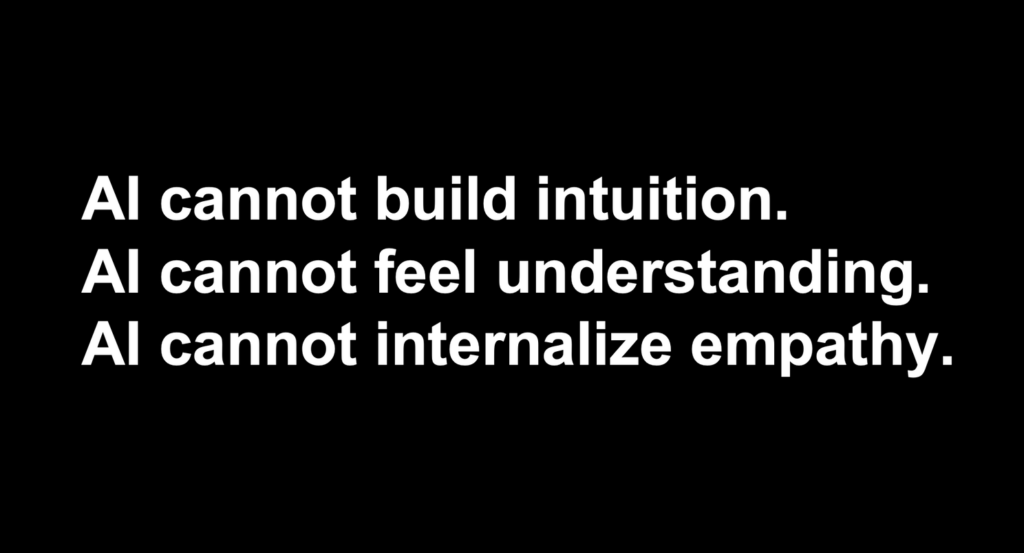
I asked the audience to think about AI not just as artificial intelligence, and certainly not just as generative automation, but as “augmented intelligence.” AI can summarize. AI can synthesize. AI can identify patterns. AI can speed up insight. But AI cannot care. AI cannot sit with a customer’s frustration and feel the heat rising in its own chest. AI cannot watch a user (aka a human being) struggle with a workflow and suddenly feel responsible for making it better.

Remember…
AI cannot build intuition.
AI cannot feel understanding.
AI cannot internalize empathy.
And intuition, understanding, and empathy is where true experience design begins.
This is why X: The Experience When Business Meets Design feels even more relevant today than when it published in 2015. Back then, I was trying to make the case that experience wasn’t a department, a metric, a journey map, or a design sprint. Experience was something much more human. It was a memory. A visceral memory. Something you feel. Something you recall. Something you share.
And there are really only two types of experiences people remember: the ones that are wonderful and the ones that, well, suck.
Everything in between is forgotten. And yet, that’s exactly what we design for…transactional moments. Unfortunately, most businesses design for the middle. Not intentionally, of course. I don’t believe teams sit in conference rooms saying, “How can we make this forgettable?” Although, to be honest, some customer journeys do make you wonder.
Forgettable is what happens when companies optimize for transactions instead of feelings. It happens when they measure completion rates but not emotion or memories. It happens when they design for internal processes instead of human moments. It happens when executives believe they’re delivering “great experiences” while customers quietly, and sometimes not so quietly, disagree.
The Customer’s Experience Begins with an Apostrophe
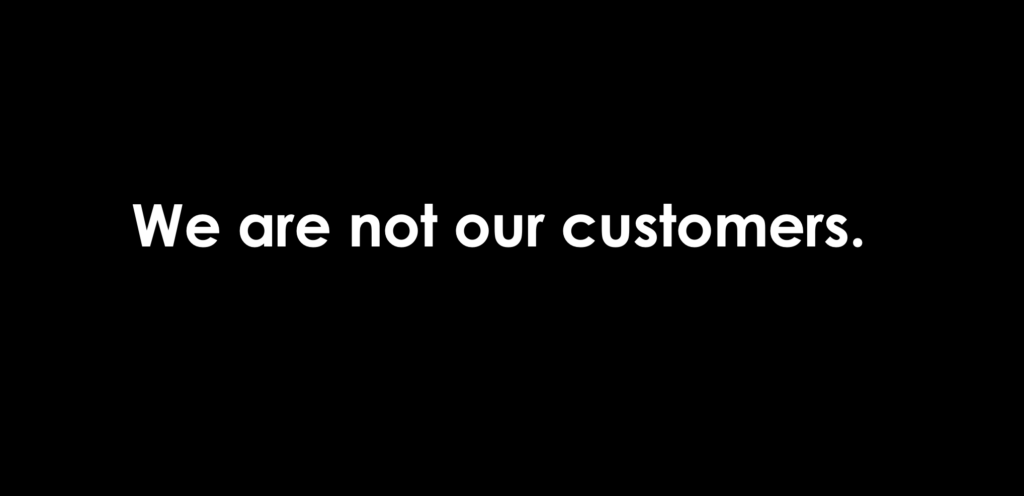
We are not our customers.
That was one of the central ideas in the keynote, and it may be more important now than ever. We say “customer experience,” “user experience,” “brand experience,” and “employee experience” as if the phrase itself makes us customer-centered. It doesn’t. So I asked the audience to add one small thing.
An apostrophe S, “’s.”
It’s not customer experience.
It’s the customer’s experience.
It’s the user’s experience.
It’s the employee’s experience.
The experience is theirs. And it’s yours to design, not leave to chance.
That tiny grammatical shift changes everything. It moves the center of gravity from us to them. It reminds us that the experience does not belong to the company. It belongs to the person living it.
And that person has changed.
Modern Consumers are Digital Narcissists
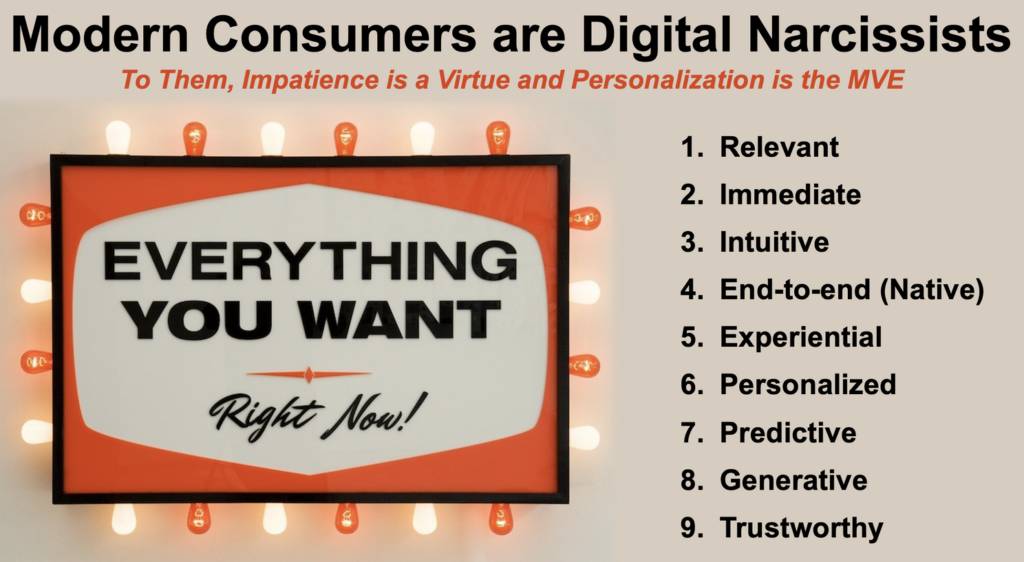
The modern customer is not just digital-first anymore. They are mobile-first, app-shaped, AI-curious, algorithmically trained, emotionally overloaded, and increasingly impatient. I call them Generation Novel, not because of age, but because of shared interests, behaviors, empowerment, and impatience. They are the product of the attention economy, the introvert economy, the AI economy, and a world that has made convenience and personalization feel like a birthright.
We did not set out to become digital narcissists. It just happened. Originally, I referred to us as “accidental narcissists” because every device, every app, every feed, every notification quietly taught us that we are the most important person in the world.
Just ask any influencer or creator.
Our phones learned us. Apps anticipated us. Algorithms programmed us. Maps reassured us. Delivery apps showed us the little car creeping toward our house so we wouldn’t contact customer support demanding a refund because our tacos were four minutes late.
That map wasn’t just a feature. It was empathy disguised as UI.
Years ago, when working around companies like Uber, the real competitor wasn’t always another ride-sharing company. The real competitor was impatience. How long is too long before someone opens another app? That is the experience question. That is the user psychology question. That is the business question.
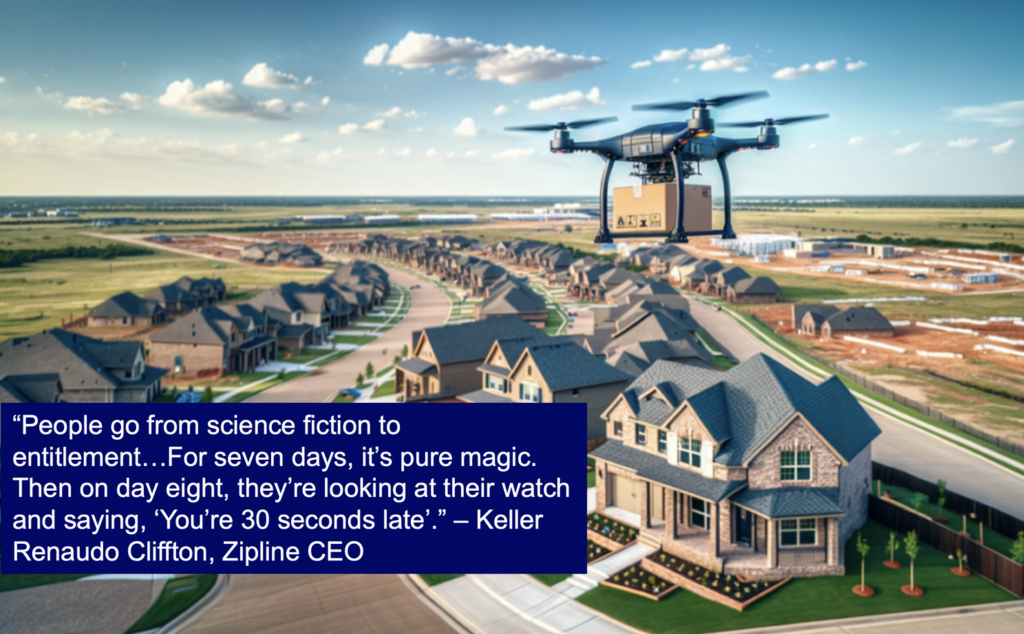
The same thing happens with drone delivery. The first time a drone drops something at your house, it feels like science fiction. By the second or third time, if it’s late, you’re looking at your watch. “Excuse me, my autonomous flying robot is 90 seconds behind schedule.”
That’s the world we live in.
People move from magic to entitlement much faster than most organizations move from committee to pilot.
This is why experience design has to evolve. Customers don’t compare you only to your direct competitors. They compare you to the best, most intuitive, most personalized, most invisible, most extraordinary experiences in their lives.
TikTok changes how people expect content to move. DoorDash changes how people expect transparency to feel. Apple changes how people expect objects to behave. Disney Parks change how people expect physical environments to create wonder. And now AI is changing how people expect everything to respond, predict, assist, and adapt.
You Compete with AI
You compete with AI.
Read that again.
You don’t just compete with people or companies using AI. You compete with the expectations AI creates. You compete with every experience that teaches your customers that life should be more relevant, immediate, intuitive, personal, predictive, and maybe even a little magical.
But magic doesn’t happen by accident.
In X, I wrote about experience as intentional design. Not decoration. Experience is the intentional shaping of moments that become memories.
Now, you can compete with AI, not against it, but with it…augmented with AI to do what you couldn’t do yesterday to unlock experiences not possible or imaginable before.
The Call for an Experience, not Just Brand, Style Guide
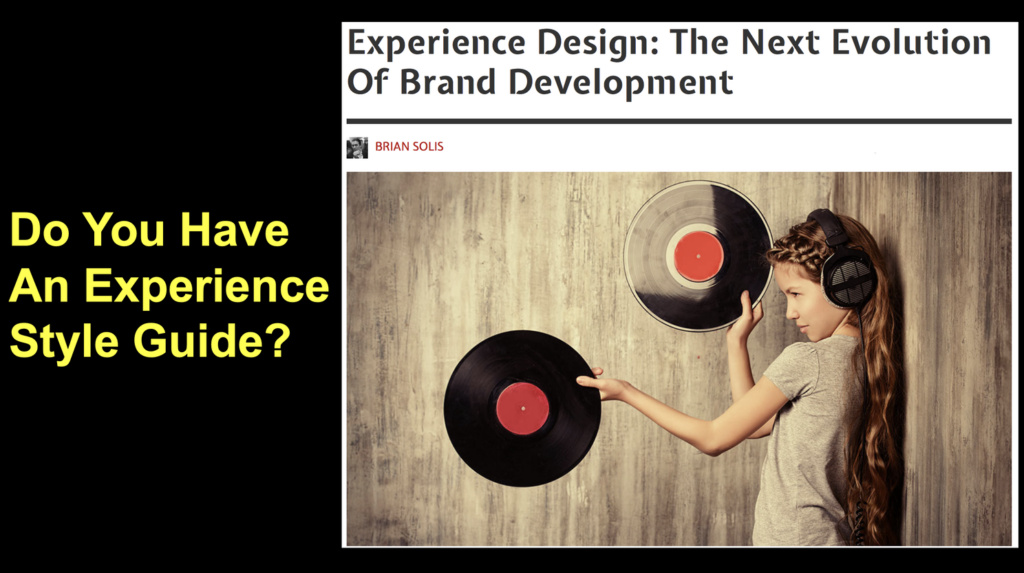
At UserTesting, I asked a simple question: Do you have an experience style guide?
I’m not talking about a brand style guide…not a UI kit…not a design system. Those are important, but they don’t go far enough. I mean a guide that defines how people should feel in each moment of truth. What should they feel when they first land on your site or when they walk in the front door? What should they feel when they open your app or when they interact with your AI or when they navigate your IVR or when a representative greets them? What should they feel when something goes wrong? What should they feel when they need help? What should they feel after they leave?
What should they remember?
What should they tell someone else?
Most organizations have customer journey maps. Fewer define moments of truth. Fewer still have designed feelings for those moments. Yet, as Cesare Pavese famously wrote, “We do not remember days, we remember moments.”
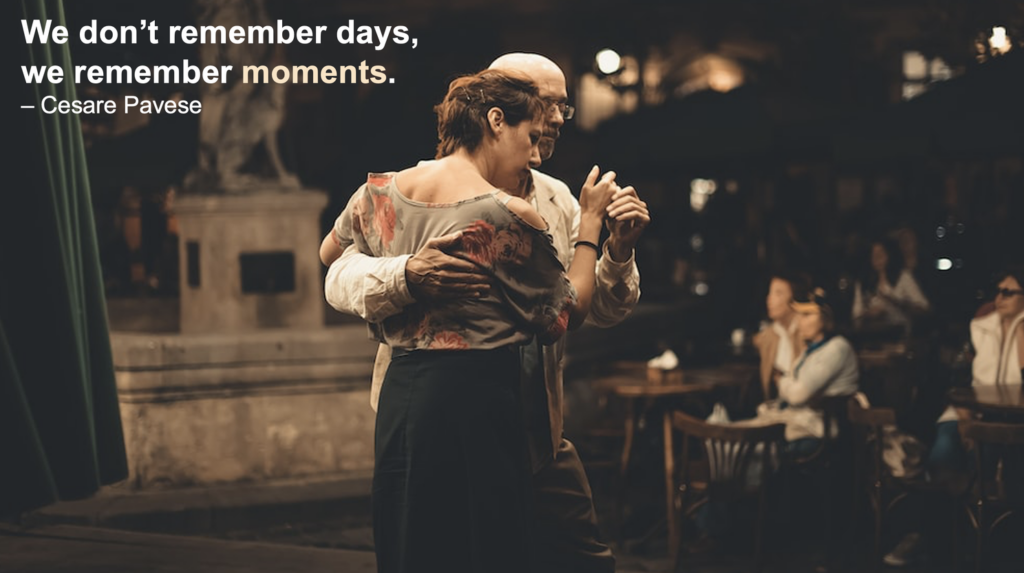
So why do we keep prioritizing the forgettable moments?
Design for IGNITE MOMENTS
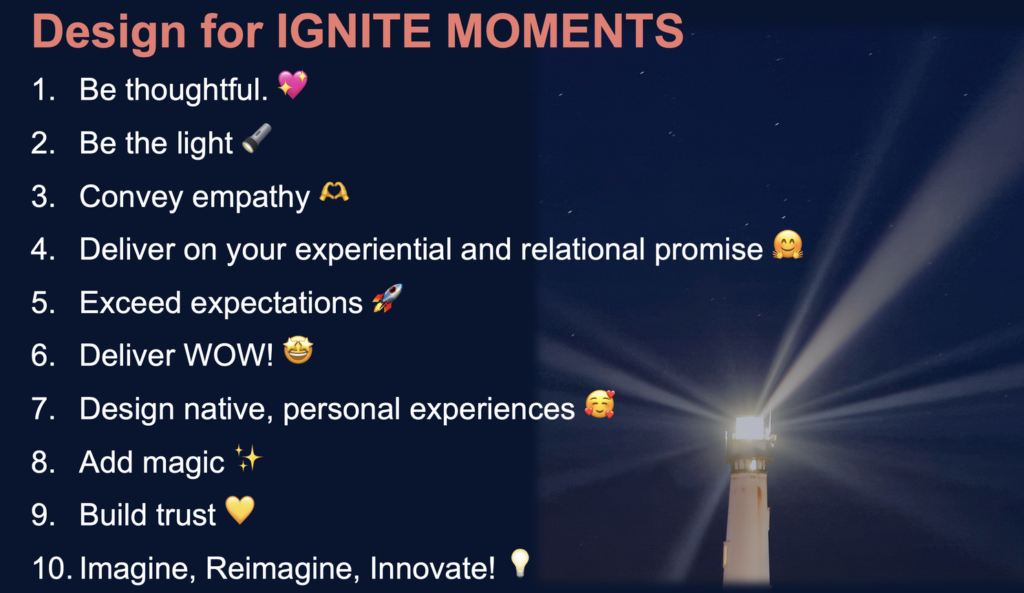
This is where I introduced the idea of ignite moments. With the mobile revolution, I worked with Google to define micro-moments. Ignite moments build on that lineage. Micro-moments helped us understand intent in a mobile-first world. Ignite moments help us design meaning in an AI-first, emotionally fatigued world.
In addition to becoming an accidental narcissist, people today are stressed. They are anxious. They are overwhelmed. They are rethinking success, happiness, identity, work, relationships, and the future. They are staying in more. They are planning less. Even dating apps now feel like part-time jobs. Imagine looking for love and needing a dashboard, a profile strategy, a messaging funnel, and emotional recovery time.
What does this have to do with design?
Everything.
Because people bring all of that into the experiences they have with you. They don’t arrive as clean personas or synthetic beings. They arrive as human beings. Distracted. Hopeful. Impatient. Skeptical. Sometimes exhausted. And when your experience adds friction, confusion, or indifference, they feel it more than you realize.
Ignite moments are designed to say, “I see you,” and, “I got you.”
They are thoughtful and intentional. They convey care. They reduce anxiety. They create clarity. They add warmth. They help someone feel special, because someone designed the the moment to prove it.
This is why I believe we need more digital warmth.
Design for Digital Warmth
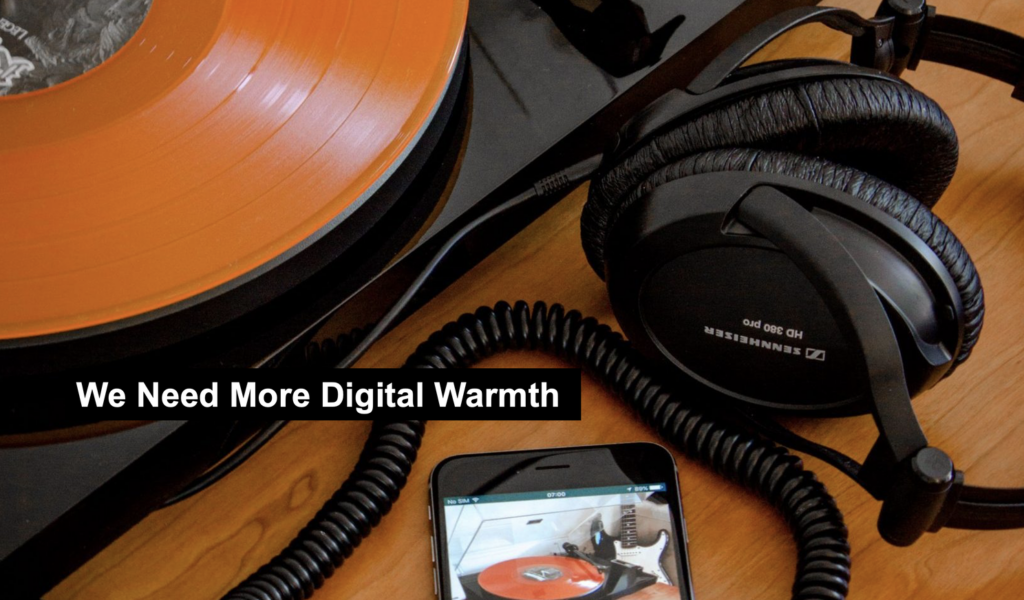
I used vinyl as an analogy in the keynote. Anyone who loves vinyl will happily corner you at a party and explain why it sounds better. And, in fairness, there is a warmth to analog sound that compressed files often lack. That’s what digital experiences are missing. Warmth. Texture. Feeling. Humanity.
We have engineered too many experiences to be efficient, to convert, and too few to be felt or memorable and shareable.
Digital warmth is the sixth love language. I’m sure Gary Chapman will be thrilled to learn that I’ve taken the liberty of updating his work for the digital and AI economy.
But it matters.
The old golden rule says, “Treat others the way you want to be treated.” But the idea of digital empathy, to truly design meaningful ignite moments, says, “Treat others the way they want to be treated.”
That changes the purpose and the work. It changes the research. It changes user testing. It changes what you look for when you watch the videos, study the patterns, and listen to what people are really saying underneath the words.
The Golden Rule of Digital Empathy
The goal is not just to get to insights faster.
I love speed. Every executive loves speed. Every team is under pressure to move faster. AI can absolutely help us get to insights faster. But don’t let speed strip away the very thing that makes insight valuable. Watch the videos. See the hesitation. Hear the sigh. Notice the workaround. Feel the frustration. Build intuition. Build understanding. Build empathy.
The best ideas don’t come only from looking backward at data. They come from imagining people’s future needs.
That’s the difference between optimization and innovation.
Optimization asks, “How do we make this process faster?”
Innovation asks, “Should this process exist at all?”
Optimization made websites responsive in a mobile world.
Innovation made TikTok feel native to the phone.
Optimization made ketchup bottles squeezable.
Innovation asked why we were still attacking glass bottles like they owed us money.
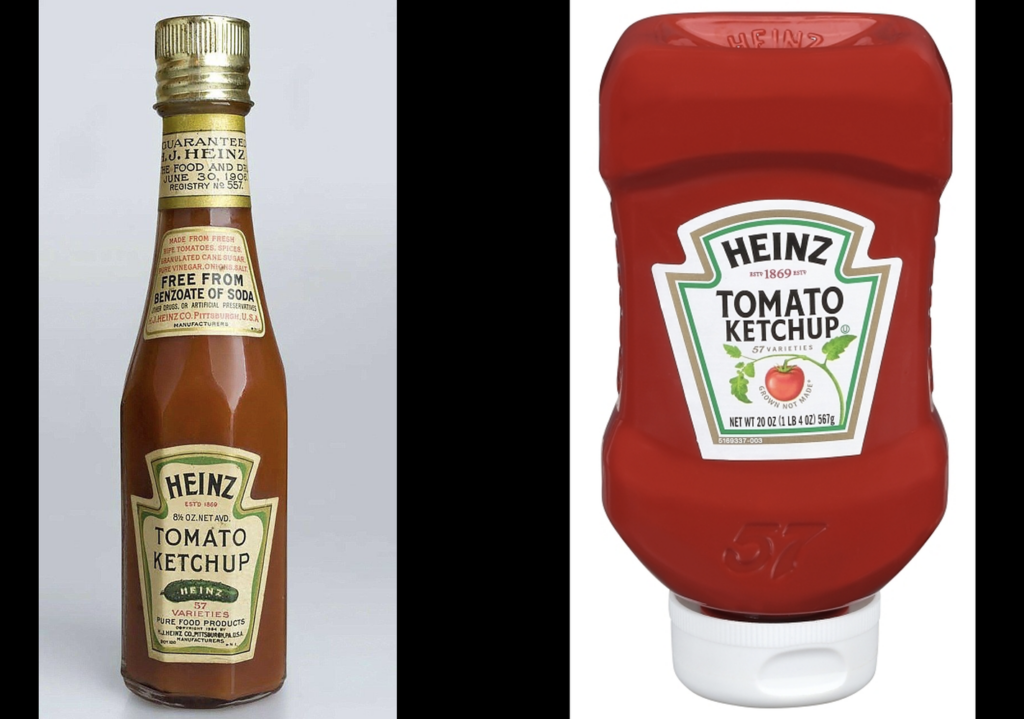
Yes, I talked about ketchup. The original glass ketchup bottle was designed in the 1800s and it was and still is a terrible delivery vessel. We all developed rituals to get ketchup out of it. The palm slap. The knife. The shake. The prayer. Then came squeezable bottles. Better, but still imperfect. Then came the upside-down gravity bottle. Suddenly, someone had empathy for the condiment experience.
@jordan_the_stallion8 Stich with @Adam Cowart #fypシ
That is innovation! 💡
Everything can be reimagined when you feel the friction.
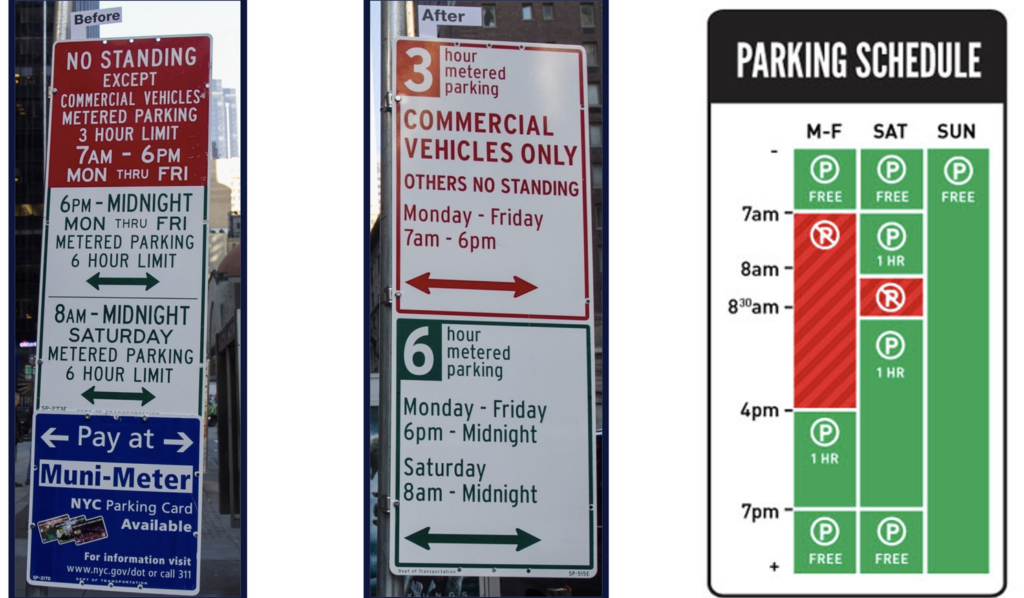
Everything is up for reimagination now…even parking signs…especially parking signs. Anyone who has tried to decipher a city parking sign while cars are honking behind them understands that design is not an aesthetic exercise. In New York, if you stop too long to read a sign, your life may be physically threatened. That’s not a customer journey. That is not an ignite moment. That’s a hostage situation!
Yet so much of the world is designed this way. Technically complete, accurate, and functional, but emotionally hostile.
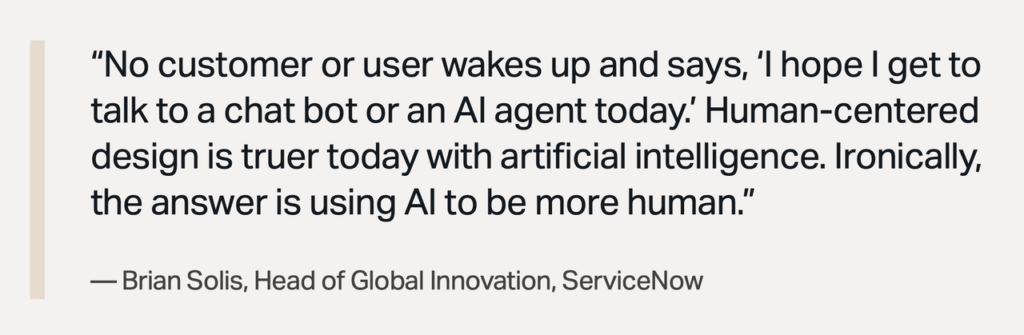
This is why human-centered design must be more than a workshop. It must become a leadership practice. It must become how companies make decisions. It must become how teams define value. It must become how organizations connect brand promise to operational reality.
Design for People, not for the Spreadsheet or Dashboard
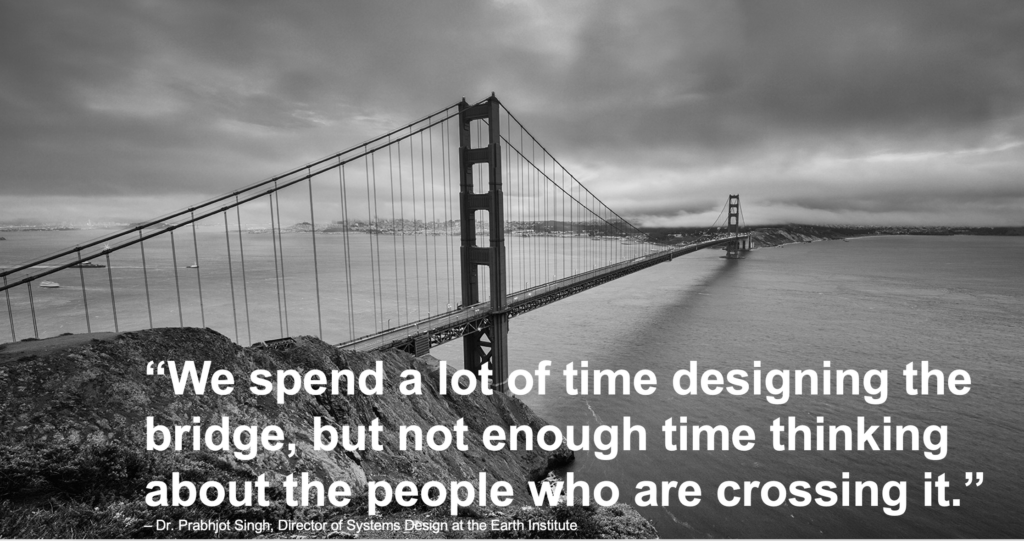
Brand is not what you say it is. Brand is the culmination of the experiences people have and share.
That was true when Yelp first gave customers a public voice and business owners reacted as if the villagers had stormed the castle. “How dare you tell people about the horrible experience I bestowed upon you!”
It is even more true now.
Customers don’t need your permission to define your brand. They define it every day through reviews, screenshots, group chats, social posts, TikToks, and increasingly, through AI agents that may one day summarize whether you are worth someone’s time.
Remember, there are only two experiences people have and remember…experiences that suck and experiences that are extraordinary. And, in both extremes, that is what people share. Which are you designing for?
The brand is the memory expressed to others.
The Concentric Circles of Experience Innovation
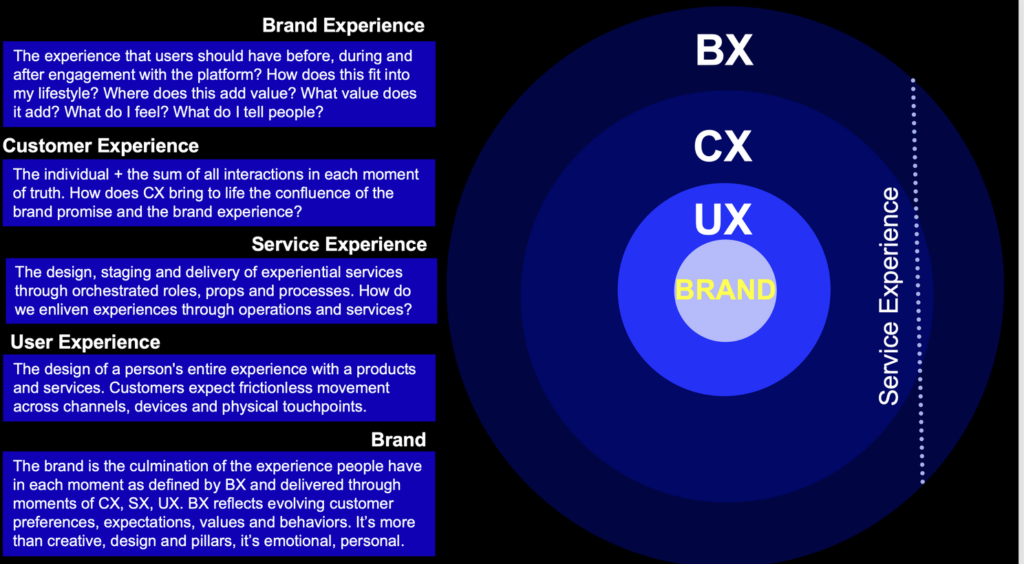
BX, CX, UX, and service experience are not separate planets. They are concentric circles of experience innovation. Brand experience asks how someone feels before, during, and after engagement. Customer experience brings the promise to life across the journey. User experience shapes interaction across products, services, devices, and touchpoints. Service experience orchestrates the roles, props, systems, and processes that deliver it all.
Together, they determine whether someone feels seen or sold to.
Also Measure for Experiences and Outcomes
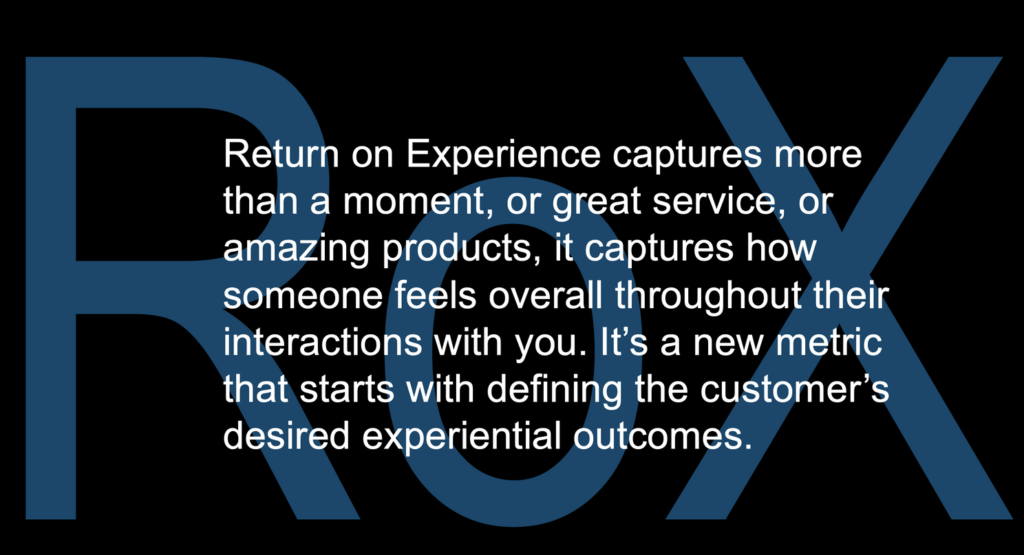
This is why experience has to be measured differently.
We know ROI. We worship ROI. We tattoo ROI on quarterly planning decks. But experience needs a champion. It needs a metric. It needs something more meaningful. At the conference we explored the concept of RoX: Return on Experience. RoX captures more than a moment, a product, or a service interaction. It measures how someone feels overall throughout their relationship with you, and how those feelings connect to outcomes. It measures against the stated experience you said you would design and deliver in ignite moments, how they’re felt in those moments, what they sparked (or ignited) as a result, and how they’re shared.
Experience is not separate from growth. It is the source of growth.
When people feel good, they stay. When they stay, they buy again. When they buy again, they tell others. When they tell others, they create advocacy. When they trust you, they give you permission to innovate with them.
The opposite is also true. When companies ignore experience, the “I” in ROI changes meaning.
It becomes return on ignorance.
It’s the cost of not knowing your customer. It’s the cost of treating those ignite moments, those moments of truth, as cost centers. So, what is the cost of designing for assumptions? What is the cost of friction? What is the cost of indifference? What is the cost of forgettable moments? What is the cost of a customer who leaves quietly because nothing was bad enough to complain about, but nothing was good enough to remember?
That is the silent killer of growth and innovation.
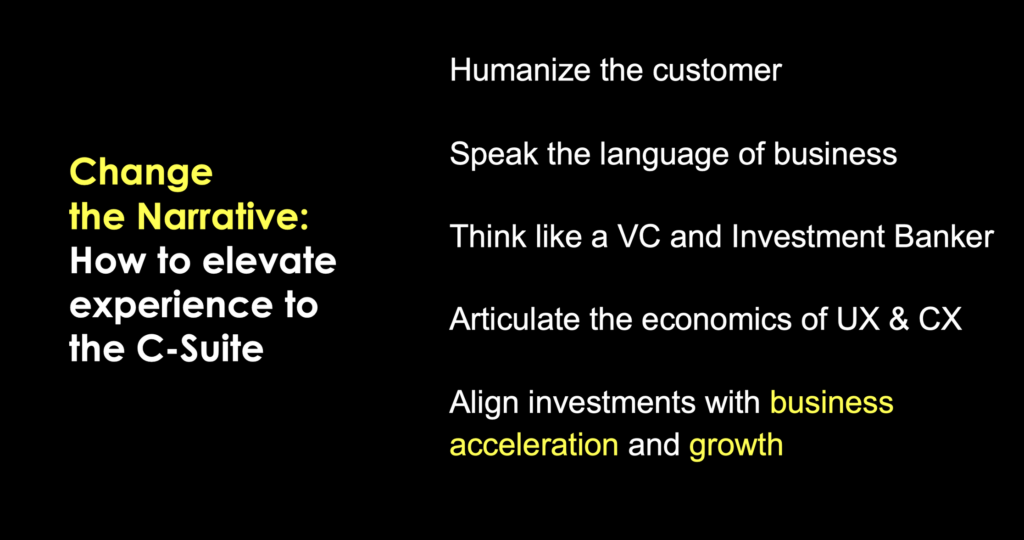
This is why experience leaders must change the narrative inside the organization. Designers, researchers, product leaders, marketers, and CX teams have to speak the language of business without losing the language of humanity. Think like a venture capitalist. Think like an investment banker. Make the case for experience not as a cost center, but as a growth engine. Connect UX and CX to acceleration, loyalty, premium pricing, advocacy, retention, and innovation.
But don’t stop there. Humanize the customer.
Bring executives into their world. Show them the moments that matter. Let them feel the friction. Let them watch the struggle. Let them hear the language customers use. Then translate that empathy into economic value.
That is how experience earns its seat at the table.
Change the Narrative: How to Elevate Experience to the C-Suite
In the AI era, having a seat at the table becomes even more important. As more teams use AI to generate content, build interfaces, synthesize research, and automate engagement, sameness will flood the market. AI will make average easier. It will make mediocrity scalable. It will make “good enough” dangerously abundant.
While helpful, synthetic persona engagement offers no opportunity for empathy.
Human-centered experience design is how you escape the sea of sameness.
This is the renewed relevance of X. The book was never just about design. It was about business meeting design at the intersection of behavior, emotion, technology, and memory. It was about the idea that experience is not what happens when someone clicks. It is what happens when someone feels.
When I wrote X, I even designed the book itself as an experience. I asked what a book might look like for someone whose brain had been rewired by mobile devices. What if a printed book had to behave a little more like an app? What if readers needed to jump in and out, move nonlinearly, follow color cues, and experience the ideas visually, emotionally, and spatially?
That was the point. The medium had to embody the message.
Today, that message matters even more.
AI is going to accelerate everything. But acceleration without empathy only gets you to the wrong destination faster. Automation without imagination only scales yesterday. Intelligence without humanity becomes forgettable.
Remember Why You Started
So maybe this isn’t about artificial intelligence at all.
Maybe it’s about remembering what purpose intelligence serves here…and I don’t mean artificial intelligence. I mean human and emotional intelligence (EQ).
It is for understanding. It is for creating. It is for caring. It is for seeing what others miss. It is for designing something better because you felt the problem deeply enough to no longer tolerate it.
If you’re waiting for someone to tell you what to do, you’re on the wrong side of innovation.
Start with people.
Watch them. Listen to them. Learn from them. Ask what they value now. Ask what makes them anxious. Ask what gives them relief. Ask what makes them feel special. Ask what they avoid. Ask how they define success, happiness, premium, trust, and worth. Ask what they wish worked differently. Ask what they have stopped expecting because disappointment trained them to lower their standards. Observe them. Feel where they struggle or hit friction or feel under-appreciated or overlooked. See where they hit deadends.
Then raise those standards for them. Innovate.
Design the ignite moments. Add digital warmth. Build trust. Deliver wow. Make the experience native, personal, intuitive, and meaningful…because I promise you, someone on the other side will feel it. And they will remember. And they will share it.
Experience Design is How You Make People Feel and What It is They Remember
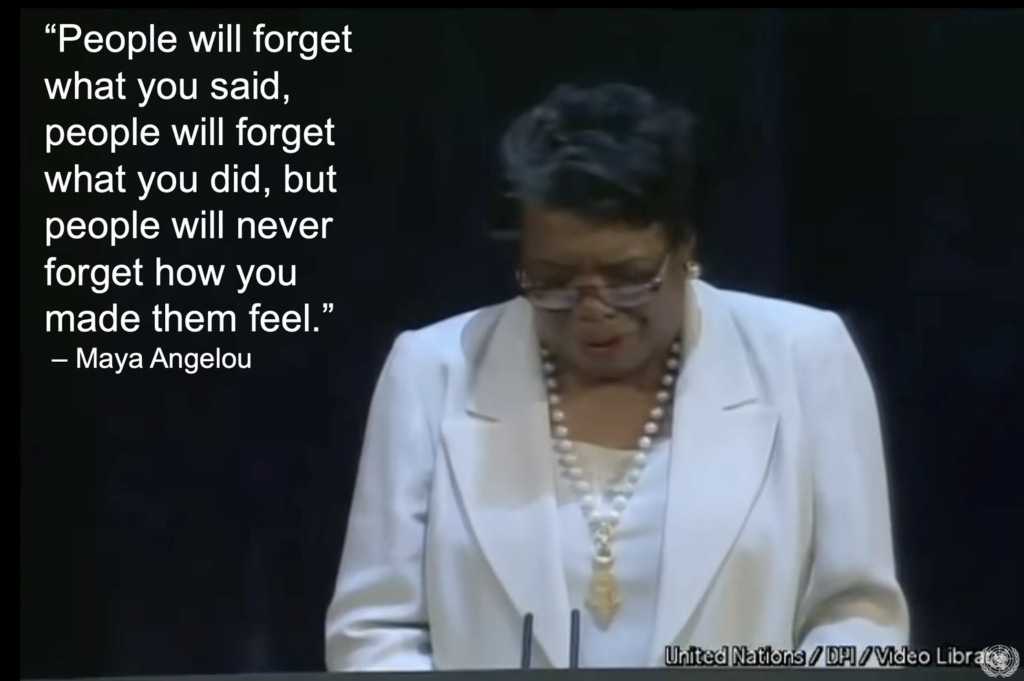
In the end, Maya Angelou said it best:
“People may forget what you said.
People will forget what you did.
But they will never forget how you made them feel.”
That is experience.
That is design.
That is innovation.
And in an age of AI, it may be the most human advantage we have left.
I’ll leave you with this…
Infinite ∞ | Mindshift | Subscribe | Keynote Speaker



Leave a Reply